

Why Are Patient Identification Wristbands Considered the First Line of Patient Safety?
Patient identification wristbands UAE healthcare facilities deploy have quietly become the unsung guardians standing between routine care and irreversible mistakes. A wrong name on a chart can cost a life, and that single truth explains why hospitals treat identification as sacred ground. They look simple, almost forgettable, yet they carry the weight of confirming exactly who a patient is before any needle, pill, or procedure touches them.
This guide walks you through why these small bands hold such massive responsibility, how technology has reshaped them, and what makes them the true frontline of hospital safety. Stick around, because the details ahead might change how you see that plastic strip on every patient’s wrist.
What Exactly Is a Patient Identification Wristband?
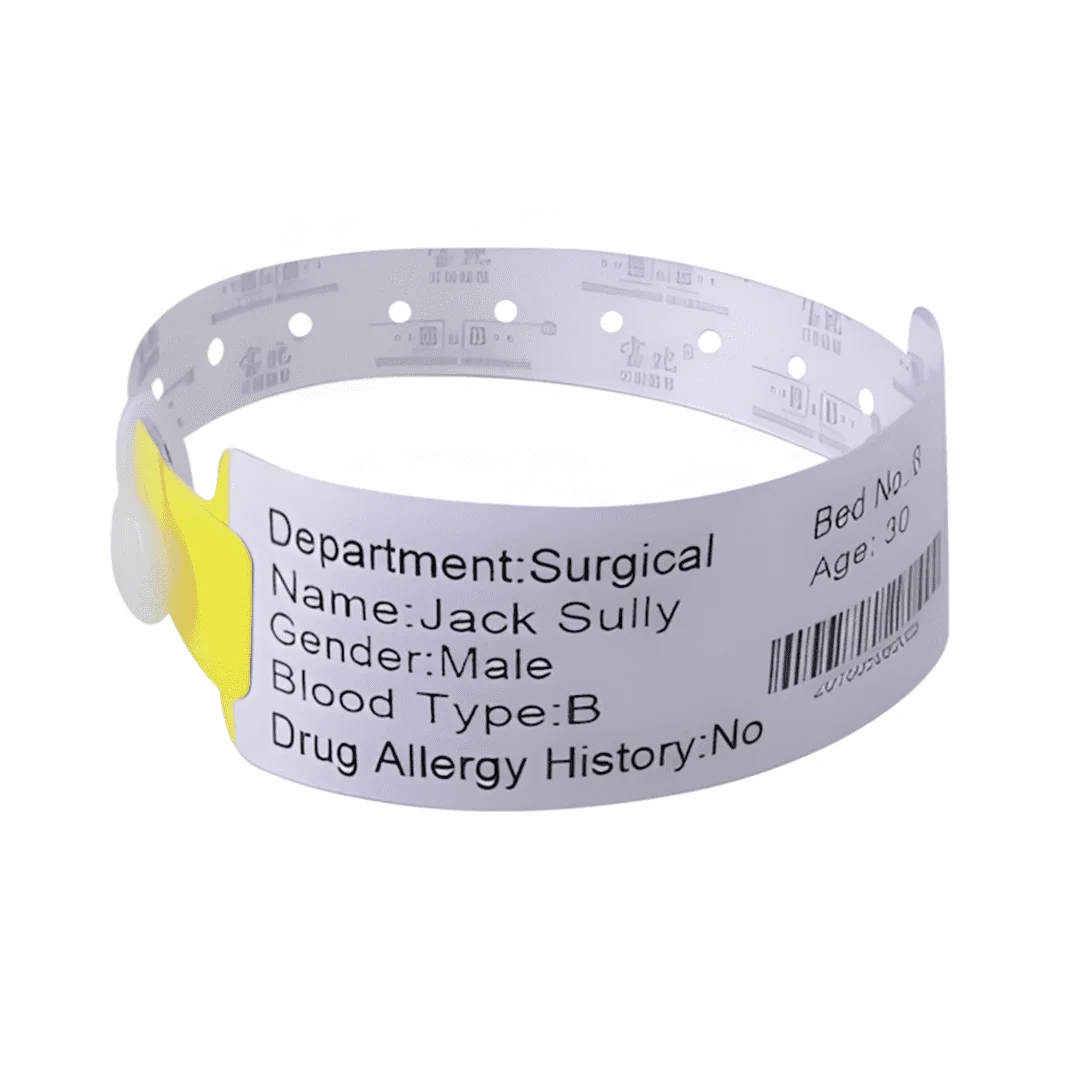
A patient identification wristband is a wearable tag, usually fastened around the wrist or ankle, printed with details that confirm a patient’s identity throughout their hospital stay. It typically includes the patient’s full name, date of birth, medical record number, and a scannable code. Finding the best patient identification wristbands UAE suppliers provide ensures there is a constant, physical checkpoint for every single caregiver interaction.
The Silent Guardian Behind Every Clinical Decision
Preventing Mix-Ups Before They Happen
Hospitals handle dozens, sometimes hundreds, of patients daily, and similar names or shared rooms can easily cause fatal confusion. A highly durable wristband eliminates guesswork by giving nurses and doctors an instant, reliable reference point, ensuring the right person receives the right treatment without relying on memory or assumption.
Anchoring Every Medication Pass
Before administering any drug, staff must scan or check the wristband against the prescription record. By integrating the premium patient identification wristbands UAE clinics rely on, this habitual verification step catches errors at the source, stopping a mismatched dosage or wrong medication from ever reaching a patient.
Supporting Accurate Lab and Blood Work
Blood samples and lab specimens travel through multiple hands before results return to a doctor. The wristband ties every sample back to its rightful owner, preventing the kind of labeling mix-up that could lead to a misdiagnosis or an unnecessary, stressful retest.
Guiding Safe Surgical Procedures
Operating rooms follow strict identity checks before any incision is made. Surgeons and anesthesiologists confirm the wristband details alongside consent forms, creating a final safeguard that protects against operating on the wrong patient or performing an unintended procedure. You can read more about global protocols for minimizing surgical errors via this overview of Patient Safety on Wikipedia.
How Technology Transformed a Simple Strip of Plastic
The Shift From Handwritten Tags to Smart Identification
Older hospitals once relied on handwritten paper bands, prone to smudging and human error. Today’s facilities use durable, printed wristbands generated through specialized hardware, pairing absolute accuracy with speed so that identity verification happens in seconds rather than minutes.
Where Barcode Systems Fit Into the Picture
Many hospitals now print wristbands using a barcode printer in UAE facilities trust for its consistency and ease of integration with hospital software. Scanning a barcode on top-tier patient identification wristbands UAE markets offer pulls up the patient’s full record instantly, reducing manual entry mistakes and speeding up bedside verification.
The Rise of RFID in Modern Hospitals
Radio Frequency Identification has pushed patient safety further by allowing contactless, real-time tracking. An RFID printer in UAE hospital settings encodes wristbands with chips that communicate with scanners from a distance, useful in busy wards where quick identification matters most.
Why RFID Wristbands Are Gaining Ground
RFID wristbands in UAE hospitals are becoming popular because they don’t require direct line-of-sight scanning like barcodes do. Staff can verify identity even when a patient is asleep or covered by blankets, making the process smoother during emergencies or overnight rounds.
Building a Culture Where Identification Never Gets Skipped
A wristband isn’t just data printed on plastic. For patients, it represents reassurance—a sign that the hospital sees them as an individual. That small comfort builds trust, making the treatment experience feel less intimidating.
Hospitals that prioritize checking the patient identification wristbands UAE providers supply at every single touchpoint build habits that prevent complacency. Training staff to treat this step as non-negotiable keeps safety standards consistently high across departments and shifts.
Wrapping Up the Bigger Picture
From preventing medication errors to supporting surgical accuracy, high-quality patient identification wristbands UAE hospitals utilize serve as the quiet backbone of safe, reliable care. As technology continues advancing, these small bands will only grow smarter, proving that the simplest tools carry the heaviest responsibility. To upgrade your hospital’s safety protocols and secure the best tracking hardware, explore the specialized medical solutions available at AEC International.
Frequently Asked Questions
- Can patient identification wristbands be reused for different patients?
No, these bands are strictly single-use. Reusing them risks cross-contamination of records and identity errors, which is why hospitals discard and reprint a new band for every individual admission. - What happens if a wristband becomes damaged during a hospital stay?
Staff immediately replace damaged or illegible bands. A second verification process confirms patient details again before printing, ensuring continuous accuracy. - Do newborns receive different wristbands than adult patients?
Yes, newborns typically receive smaller, specially designed bands matched sequentially with their mother’s wristband to prevent infant mix-ups in maternity wards. - Are patient identification wristbands UAE hospitals use color-coded?
Many hospitals use secondary color-coded bands to quickly flag critical alerts like severe allergies, fall risks, or do-not-resuscitate orders so staff can spot them instantly.